Famous Places to visit in Varanasi
Explore Varanasi with Shri Abhishek Travels for Affordable and Safe Journey
SACRED TEMPLES OF VARANASI
Kashi Vishwanath Temple
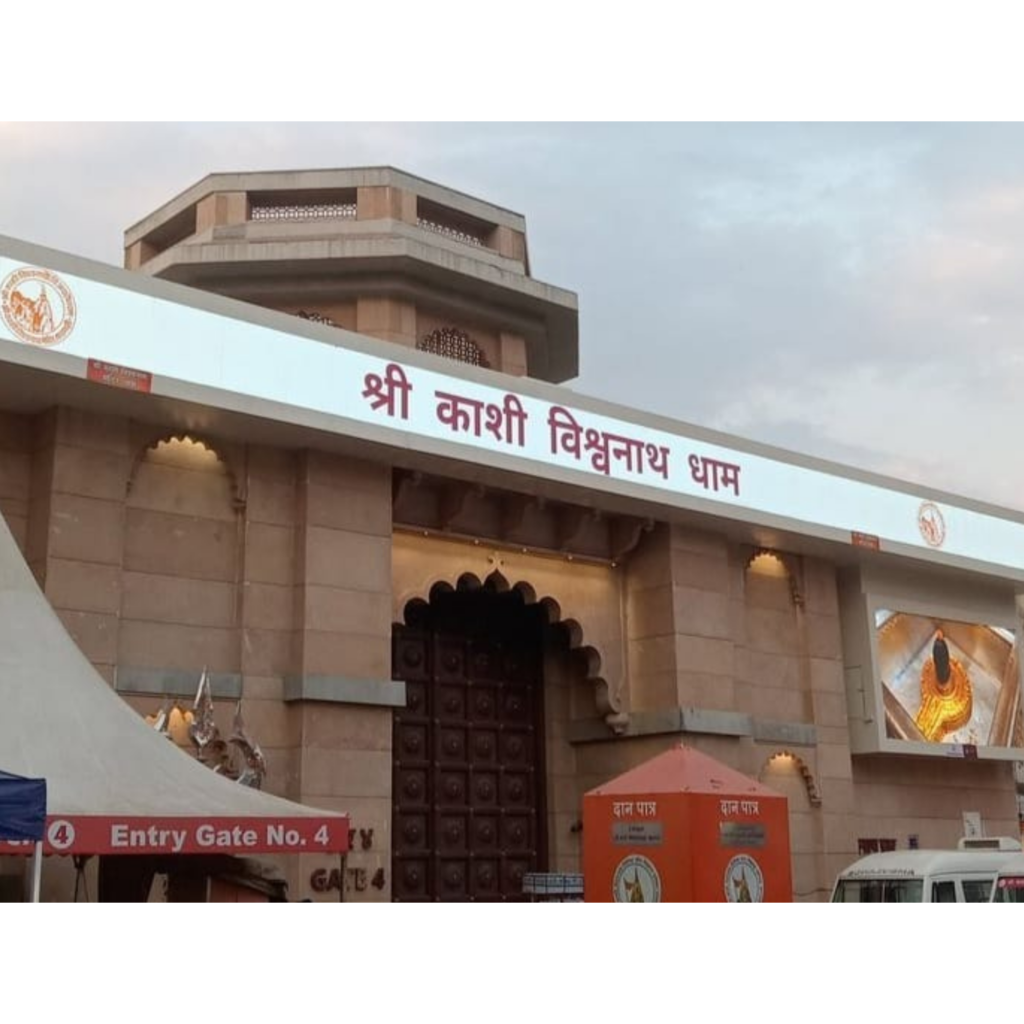
The Kashi Vishwanath Temple in Varanasi is one of the holiest shrines in Hinduism, dedicated to Lord Shiva and revered as one of the sacred Jyotirlingas. Rebuilt in 1780 by Ahilyabai Holkar, the temple is famed for its golden spires donated by Maharaja Ranjit Singh, which shine brilliantly above the ancient city.
The sanctum houses a sacred Shiva lingam believed to grant moksha (liberation) to devotees. The newly developed corridor now connects the temple directly to the banks of the Ganga at Lalita Ghat, making the spiritual journey from holy dip to darshan seamless.
Best time to visit- Early morning (3 AM – 5 AM) during the Mangala Aarti, when chants, lamps, and incense create a deeply divine atmosphere.
Sankat Mochan Hanuman Temple
Founded by the great saint-poet Tulsidas in the 16th century, this temple is one of the most beloved in Varanasi. It is believed that Tulsidas himself had a vision of Lord Hanuman at this very spot. The temple radiates an unusually peaceful, protective energy that devotees describe as immediately calming upon entry. Tuesdays and Saturdays draw enormous crowds, and the prasad (sacred offering of food) here is especially famous.
Kal Bhairav Temple
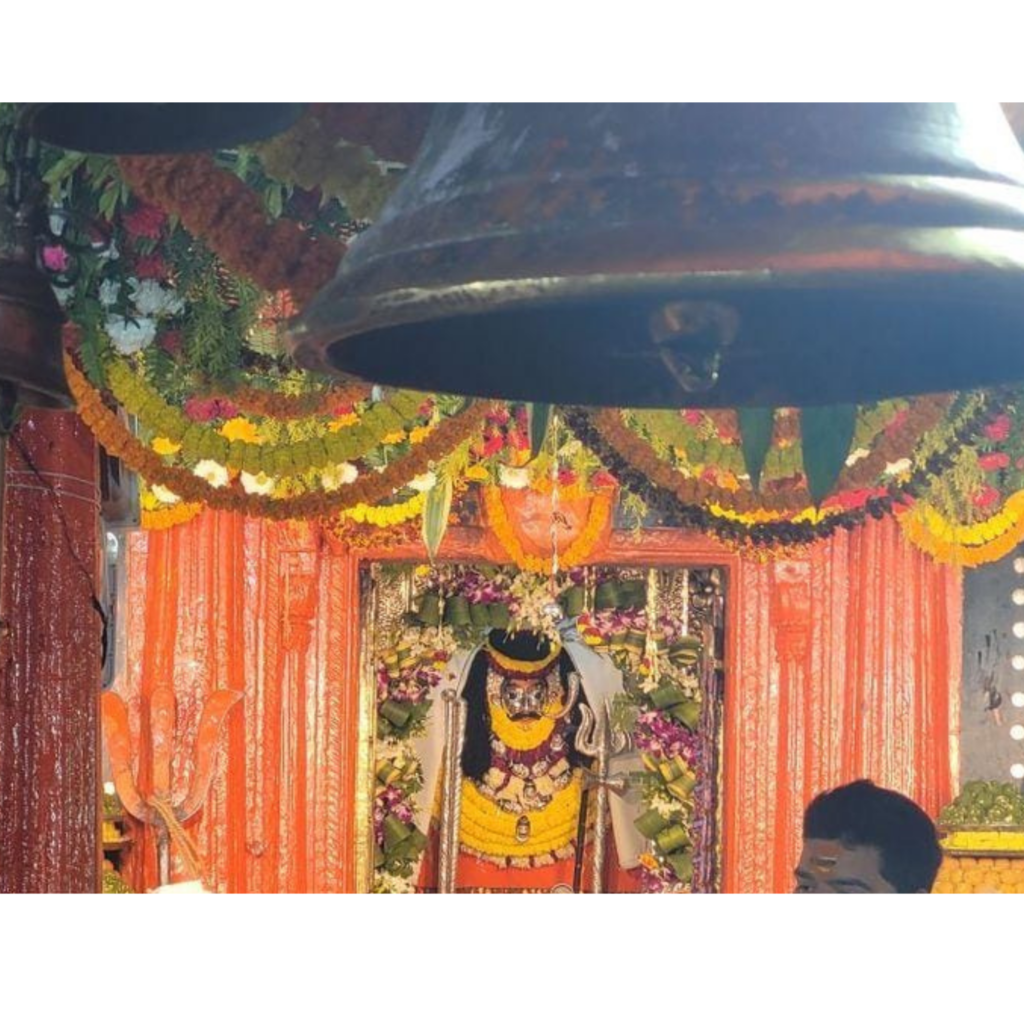
Kal Bhairav is considered the Kotwal (chief guardian) of Kashi — the fierce form of Lord Shiva who protects the entire city. Tradition holds that no visit to Varanasi is spiritually complete without seeking blessings from Kal Bhairav. The deity is uniquely worshipped with an offering of liquor, making it one of the most distinctive temple rituals in India. The temple sits in a lively, colorful lane in the old city and has a powerful, intense atmosphere unlike any other.
Tulsi Manas Mandir
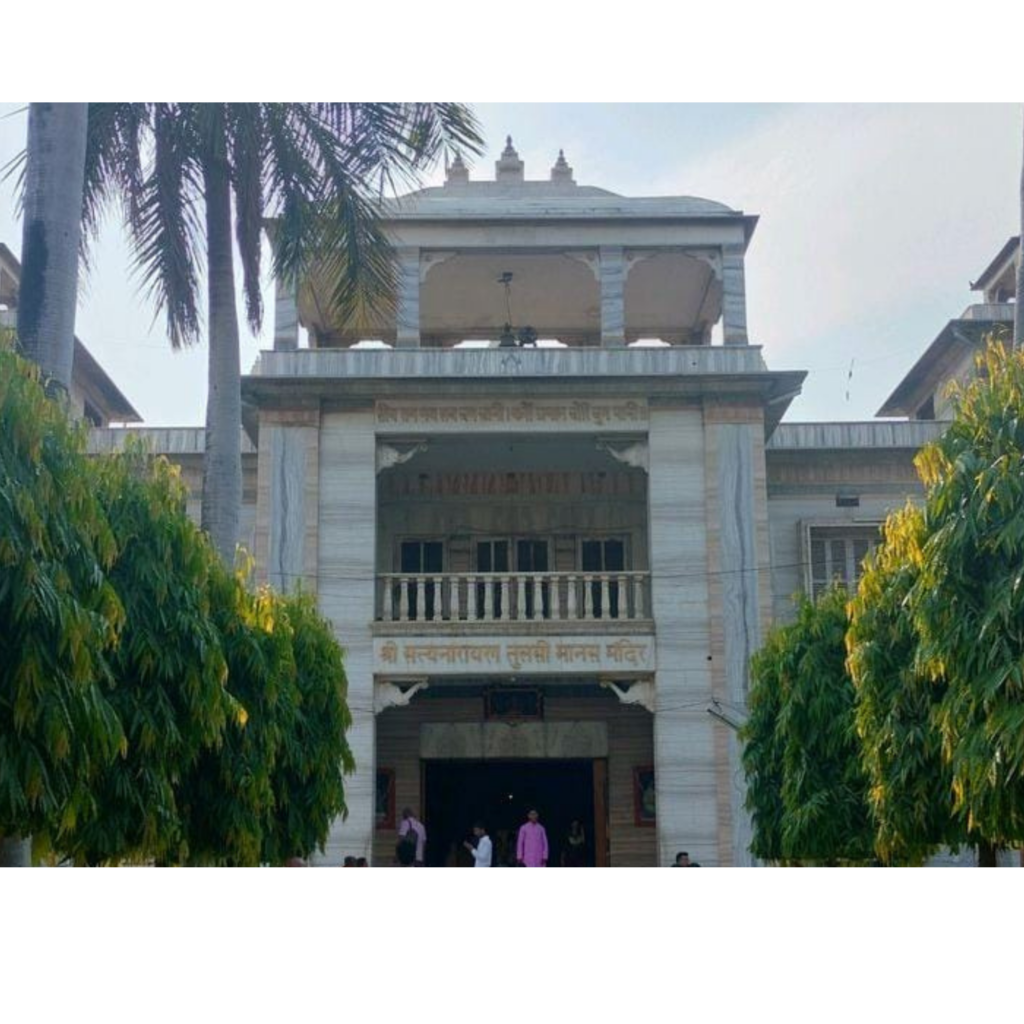
This elegant white marble temple was built in 1964 at the exact site where the legendary saint-poet Goswami Tulsidas composed the Ramcharitmanas — the Hindi retelling of the Ramayana that transformed devotional literature in India forever. The temple walls are beautifully inscribed with verses from the Ramcharitmanas, and the interiors feature detailed dioramas depicting scenes from Lord Rama’s life. It is clean, serene, and deeply inspiring — a wonderful contrast to the intensity of the older temples nearby.
FAMOUS GHATS OF VARANASI

Dashashwamedh Ghat
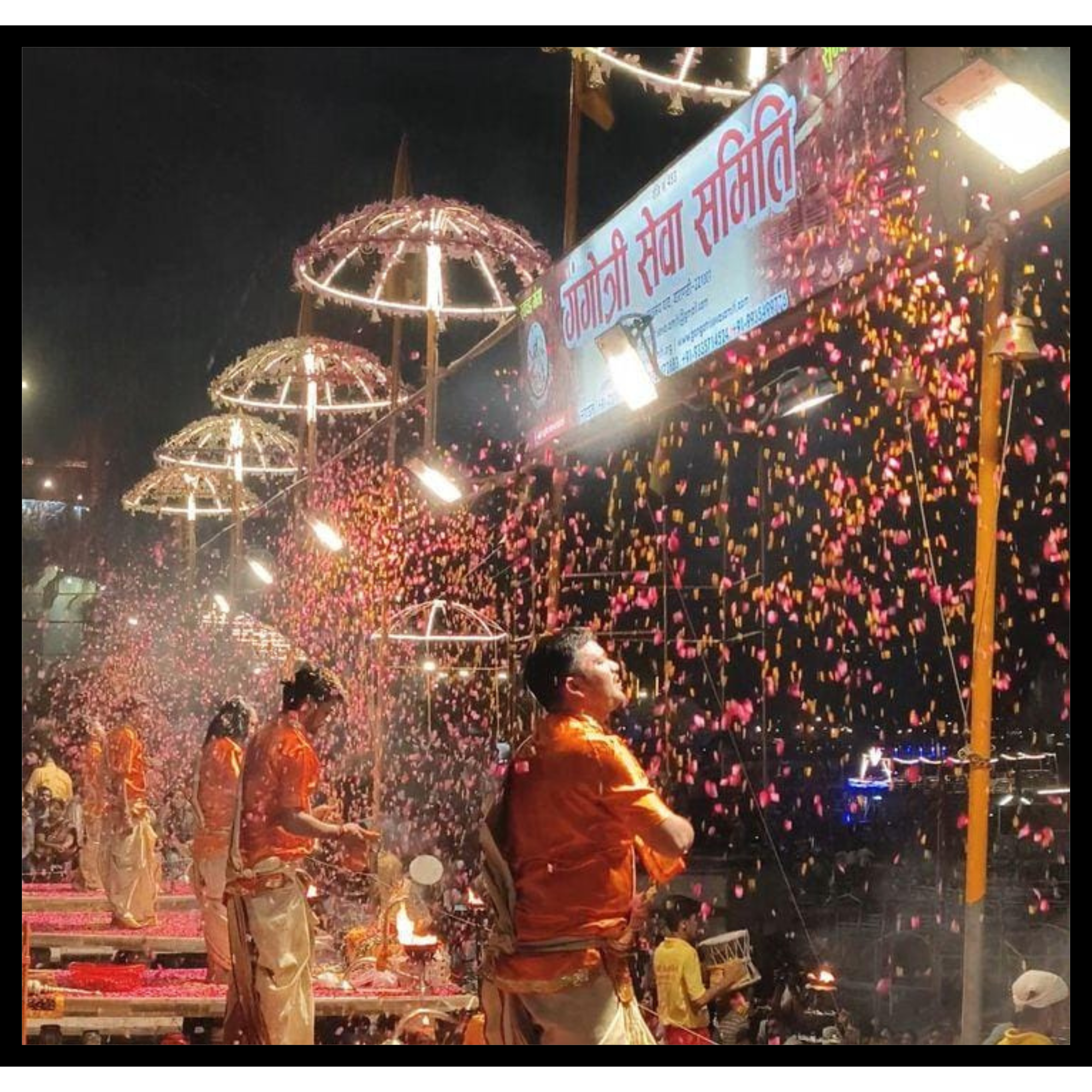
Dashashwamedh Ghat is the vibrant heart of Varanasi, best known for its mesmerizing evening Ganga Aarti. Believed to be the site of an ancient Vedic ritual, this historic ghat has witnessed centuries of devotion, prayers, and sacred bathing along the banks of the Ganges River. By day, it bustles with pilgrims, priests, flower vendors, and sadhus; by night, it transforms into a breathtaking spectacle of lamps, chants, and synchronized rituals that illuminate the river in golden light.
Assi Ghat
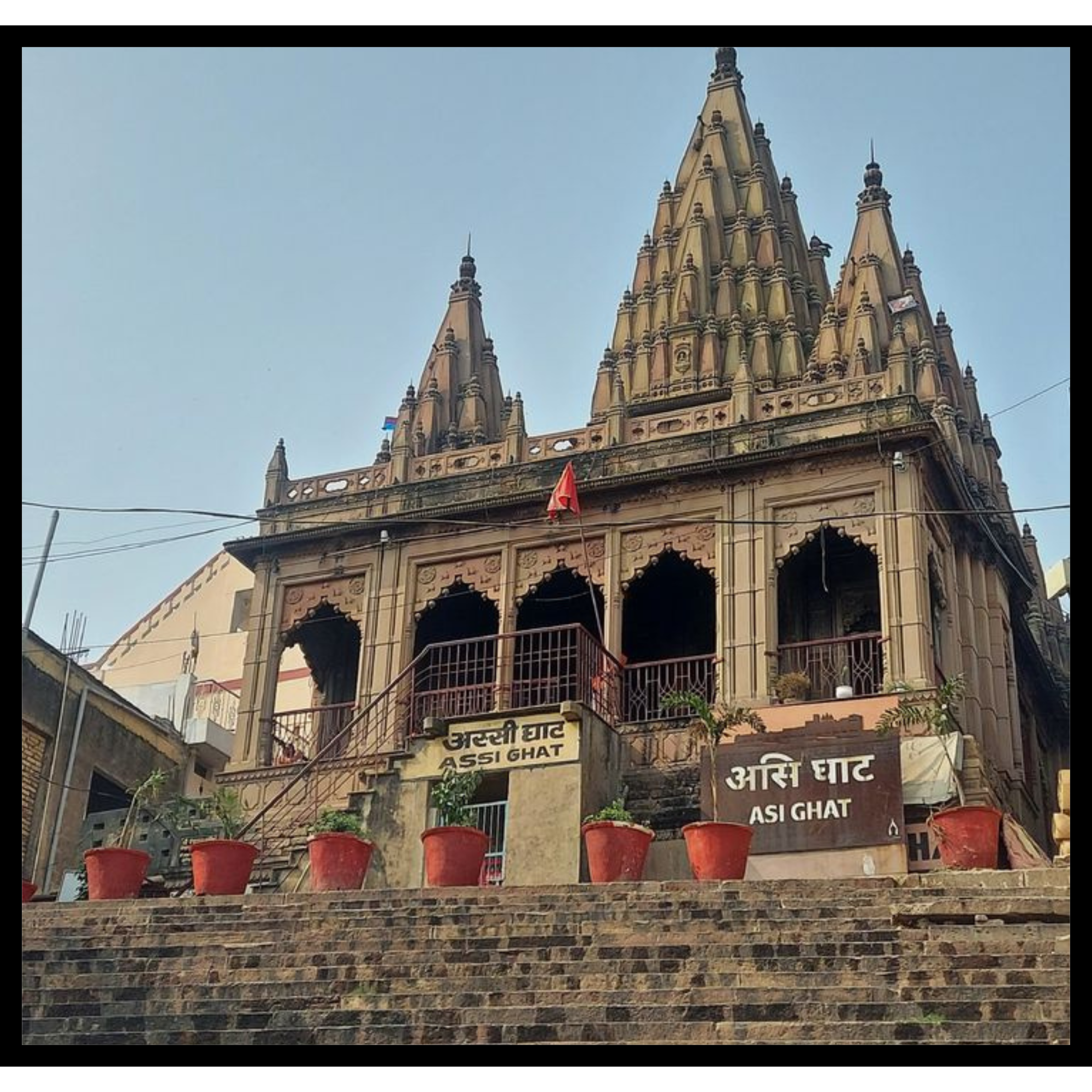
Located at the southern end of Varanasi, where the River Assi meets the Ganga, Assi Ghat has a gentler, more contemplative personality than the busier central ghats. It is the favourite haunt of students, artists, foreign travelers, scholars, and spiritual seekers. Early mornings here are extraordinary — yoga sessions happen at the water's edge, classical musicians play ragas as the sun rises, and the gentle lap of the river provides a natural soundtrack to meditation and reflection. The surrounding area is filled with charming riverfront cafés, secondhand bookshops, and cultural spaces that give Assi Ghat a uniquely intellectual and bohemian character. It is the perfect place to slow down, sip chai, watch the river, and simply be.
Manikarnika Ghat
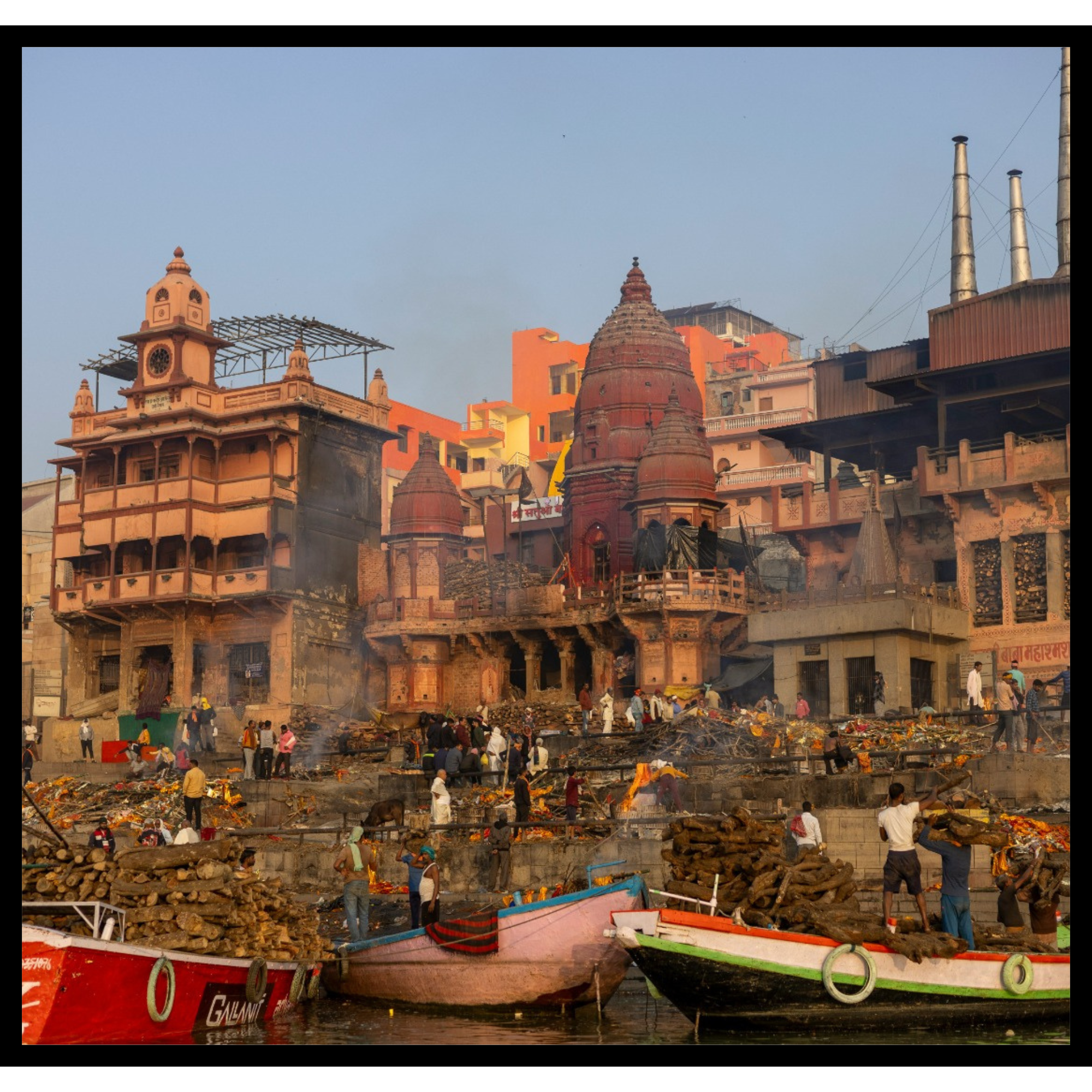
Manikarnika Ghat is the most solemn and sacred cremation site in Varanasi, where funeral pyres burn continuously day and night on the banks of the Ganges River. For Hindus, cremation here is believed to grant moksha — liberation from the cycle of rebirth. Steeped in ancient mythology and devotion, the ghat offers a deeply humbling experience, confronting visitors with the reality of life’s impermanence. Despite the constant cremations, many describe the atmosphere as शांत and spiritual, and visitors are expected to remain respectful, silent, and avoid photography.
Kedar Ghat
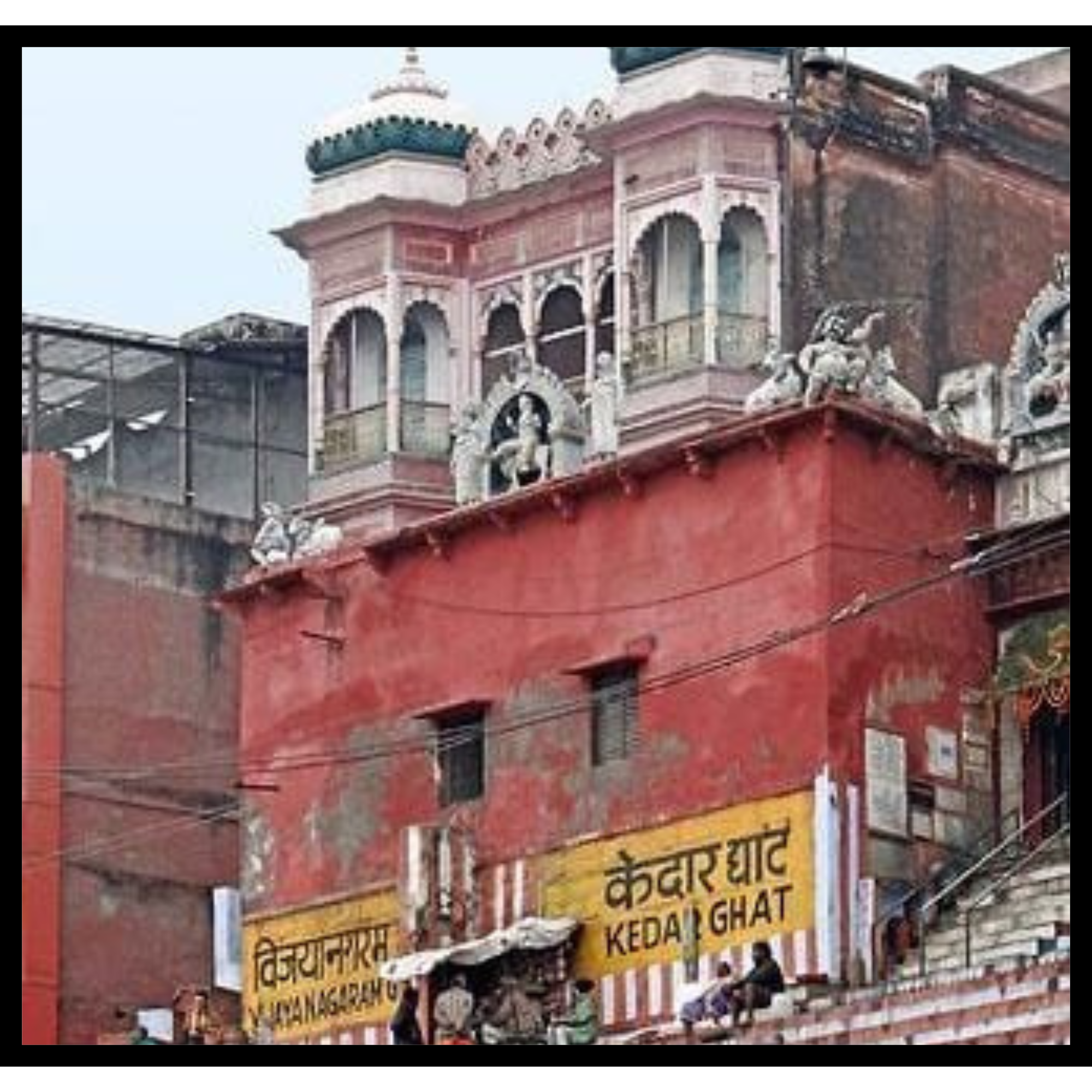
Kedar Ghat stands out for its striking visual personality — a bold, striped temple in South Indian style dominates the steps, surrounded by beautiful
ochre and red buildings that cascade down to the water. It is one of the cleaner and less crowded ghats, making it ideal for quiet meditation, photography, and simply sitting by the river to watch boats glide past. The ghat is dedicated to Lord Kedareshwara (Shiva), and the atmosphere is calm and devotional.
MUST-HAVE EXPERIENCES

Sunrise Boat Ride on the Ganga
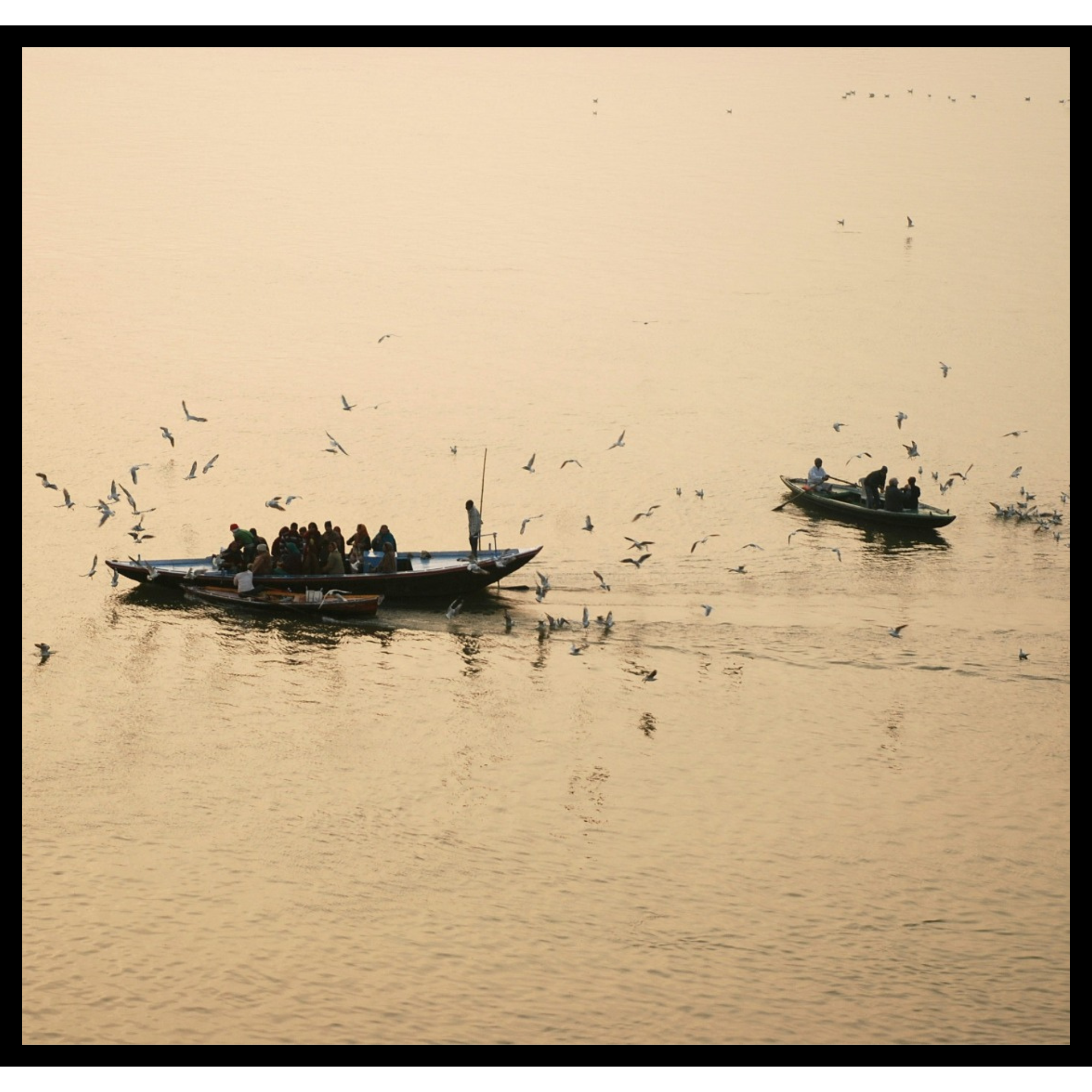
A sunrise boat ride on the Ganges River is one of the most unforgettable experiences in Varanasi. As dawn breaks, the ghats slowly come alive — temple bells ring, priests chant, pilgrims take holy dips, and sadhus meditate in the soft golden light. From the water, the ancient skyline of temples and palaces glows in shades of amber and pink, creating a scene that feels timeless and deeply spiritual. For the most magical experience, choose a private rowing boat and sit in silence, allowing the peace of the river and the awakening city to unfold around you.
Evening Ganga Aarti
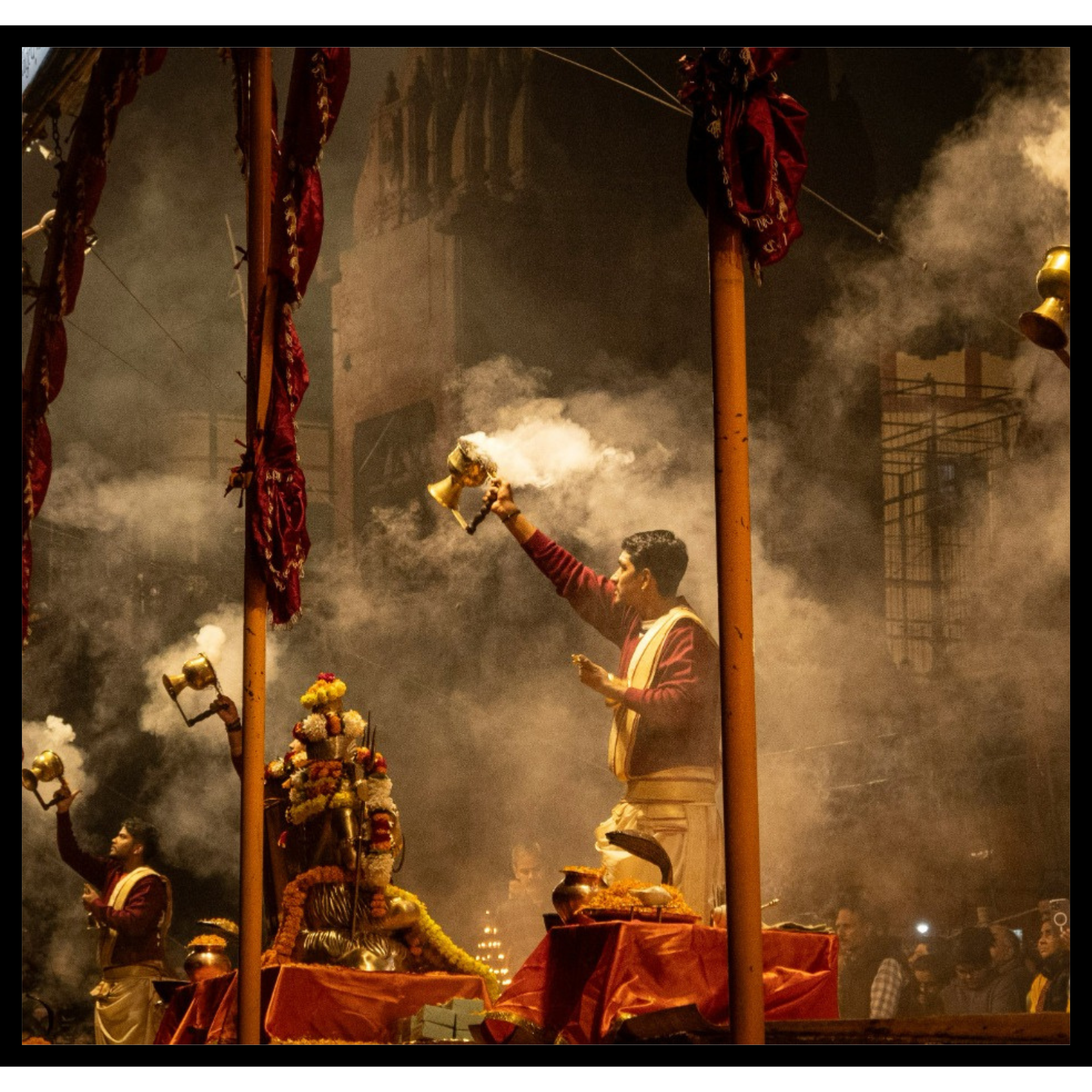
The evening Ganga Aarti at Dashashwamedh Ghat at Dashashwamedh Ghat is one of India’s most spectacular spiritual ceremonies. At sunset, priests perform a synchronized ritual with large flaming lamps, accompanied by conch shells, bells, and devotional chants, offering light and prayers to the sacred Ganges River. Thousands gather on the steps and boats as floating diyas drift across the water, creating a breathtaking atmosphere of devotion and beauty. For the best experience, arrive early for a seat on the steps or watch from a boat for a stunning panoramic view.
HISTORICAL & CULTURAL PLACES
Sarnath
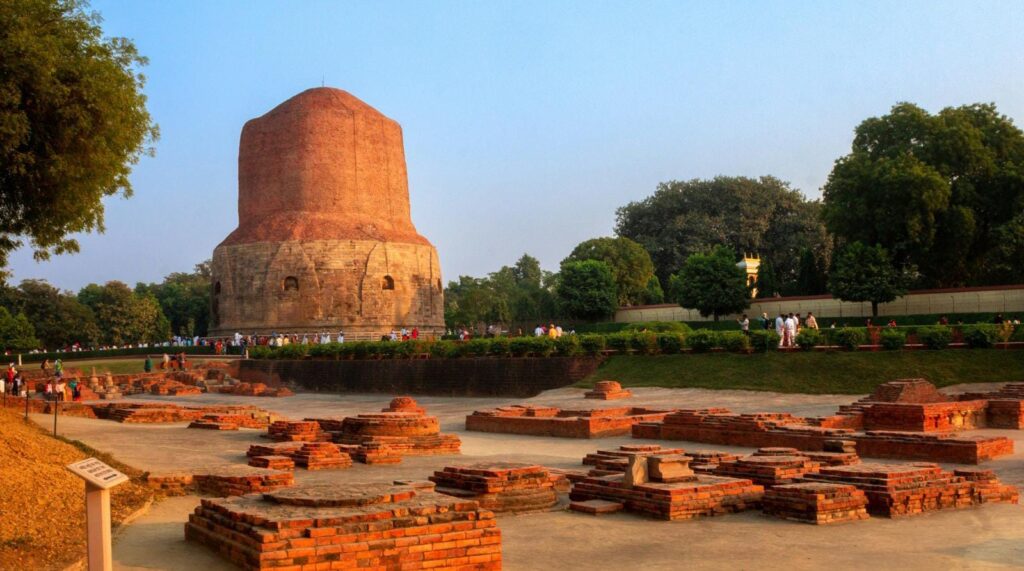
Sarnath is one of the holiest sites in Buddhism, where Gautama Buddha delivered his first sermon after enlightenment, marking the beginning of the Buddhist faith. Today, the serene archaeological park is filled with ancient ruins, monasteries, and towering stupas, most notably the magnificent Dhamek Stupa, built on the very spot of that first teaching. Nearby, the Sarnath Archaeological Museum houses priceless Buddhist treasures, including the famed Lion Capital of Ashoka. Peaceful, green, and deeply spiritual, Sarnath offers a quiet refuge and a profound connection to one of the most important moments in world history.
Ramnagar Fort
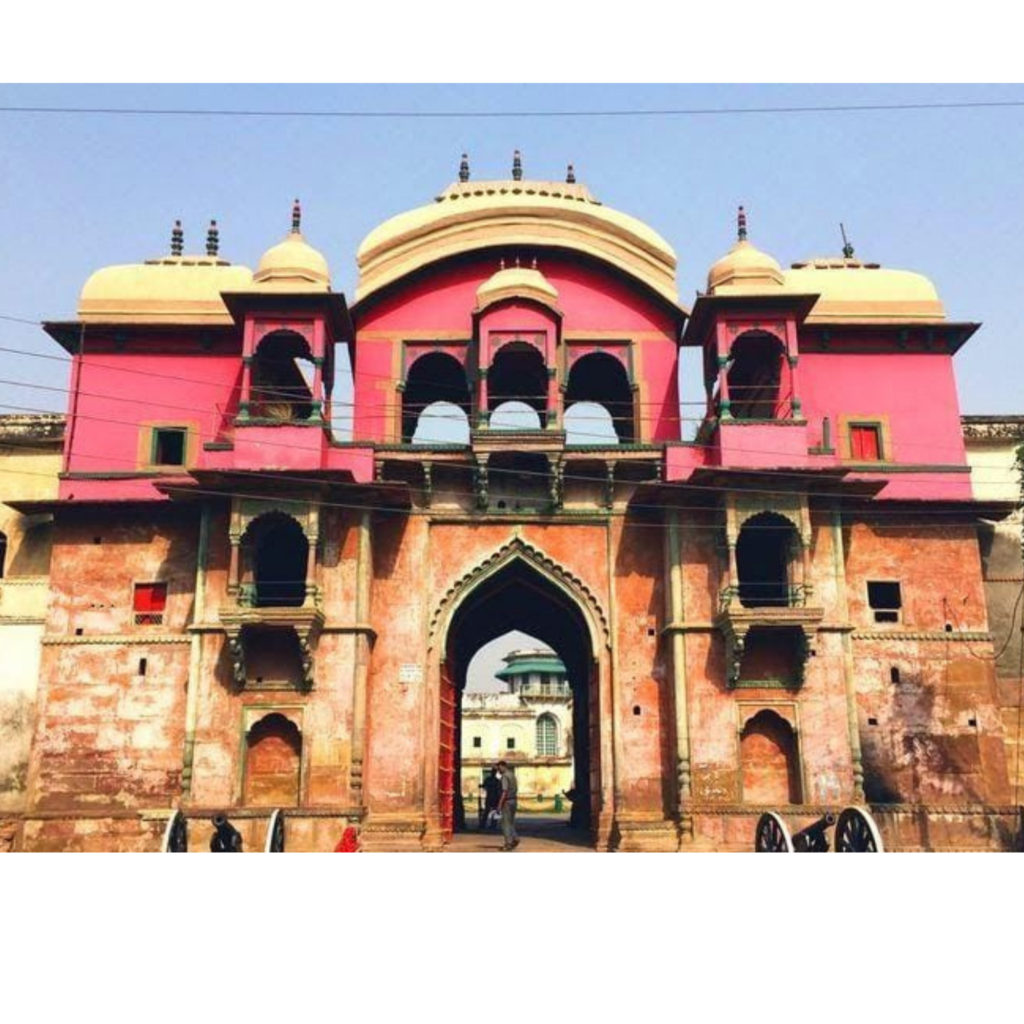
Ramnagar Fort stands on the eastern bank of the Ganges River, opposite Varanasi, and serves as the ancestral residence of the Kashi Naresh (Maharaja of Benares). Built in the 18th century from Chunar sandstone, the fort showcases elegant Mughal-influenced architecture and offers sweeping river views. Inside, a royal museum displays vintage cars, historic weapons, manuscripts, costumes, and other artifacts from the princely era. Ramnagar is also renowned for the grand Ramnagar Ramlila, a month-long dramatization of the Ramayana held during Navratri. A short boat ride across the river from the city’s ghats makes visiting the fort a scenic and memorable experience.
Bharat Kala Bhavan Museum (BHU)
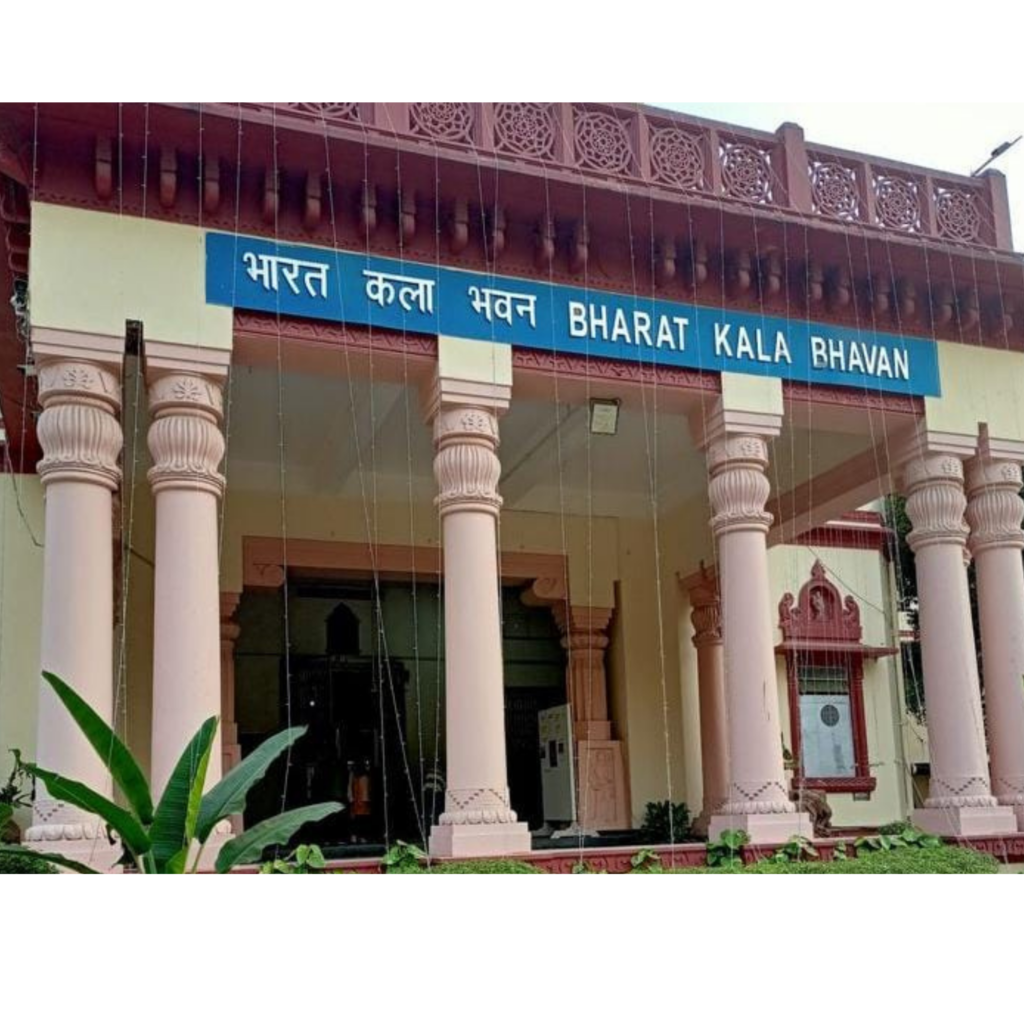
Located within the sprawling, tree-lined campus of Banaras Hindu University, the Bharat Kala Bhavan is one of India’s finest museums and a treasure house of art and history. Its collections span miniature paintings from Mughal and Rajput courts, ancient Hindu and Buddhist sculptures, rare manuscripts, historical photographs of Varanasi, and exquisite Banarasi textiles. For those with a love of art, history, and culture, it is an unmissable destination.